


.webp?x-oss-process=image/resize,w_800/quality,q_100)
.webp?x-oss-process=image/resize,w_800/quality,q_100)

Agricultural
Industry Applications
![icon]()
Soil Improvement Applications
![icon]()
Crop Production Applications
![icon]()
Antifungal Vitality of Wood Vinegar

Soil Improvement Applications
The application of biomass pyrolysis products in agriculture is primarily reflected in soil improvement, crop production, and pest control. Multiple studies indicate that biochar produced from biomass pyrolysis can be used as a soil amendment. It improves soil structure, water-holding capacity, water retention, aeration, enhances soil fertility, increases soil carbon content, and promotes plant growth. Biochar also provides a habitat for beneficial microorganisms, helping to inhibit plant diseases and pests.

Crop Production Applications

Enhancing Crop Yield and Quality
The addition of biomass pyrolysis char and related materials can significantly improve crop yield and productivity, enhancing nutrient uptake by crops. Using biochar as a soil amendment reduces the demand for chemical fertilizers. Biochar improves the utilization efficiency of nutrients such as nitrogen, phosphorus, and potassium, thereby reducing fertilizer usage. Studies show that combining biochar with fertilizers can cut fertilizer use by 20-30 % without affecting crop yields.

Promoting Plant Growth with Wood Vinegar
Pyrolysis liquids (such as wood vinegar) may promote seed germination, root development, and plant growth. Wood vinegar can serve as a plant growth promoter and conditioner, enhancing seed germination, root vitality, photosynthesis, and nutrient absorption.

Pest and Disease Control Applications
Biochar provides a habitat for beneficial microorganisms, helping to suppress plant diseases and pests. By improving the structure of phytoedaphon, biochar can indirectly enhance plant disease resistance.
Regulation of microbial communities

Induced resistance

Soil environment improvement

Pest and Disease Control Applications
Mechanisms of action:
1. Biochar promotes the growth of beneficial microorganisms (e.g., mycorrhizal fungi, azotobacteria) while inhibiting the proliferation of pathogens.
2. Certain compounds in biochar can trigger systemic resistance in plants, strengthening their defense against pathogens.
3. Certain compounds in biochar can trigger systemic resistance in plants, strengthening their defense against pathogens.
Antifungal Vitality of Wood Vinegar
Biomass pyrolysis liquid exhibits antifungal activity, capable of controlling the growth of various fungal pathogen on fruit crops. Wood vinegar can be used as a natural insecticide, herbicide, repellent, and fungicide, reducing the reliance on synthetic pesticides.

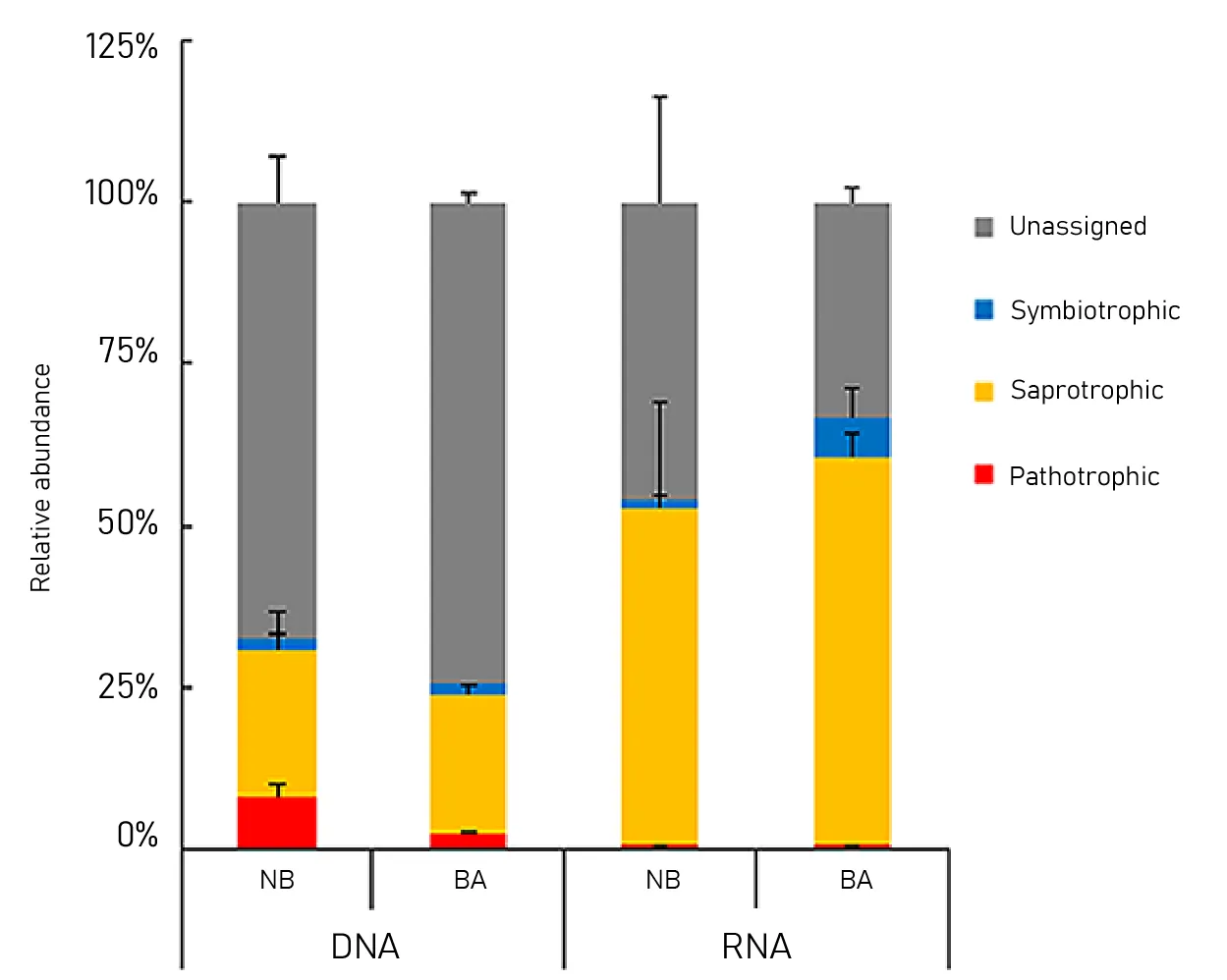
Long-Term Soil Health Benefits for Crop Production
Biochar applied in 2009, site revisited in 2015
Observed outcomes:
- Rice yield: increased by 12%
- Fertilizer input: reduced by 20%
- Insect- and pathogen-related diseases: significantly reduced
- Farmer revenue: increased by 12%
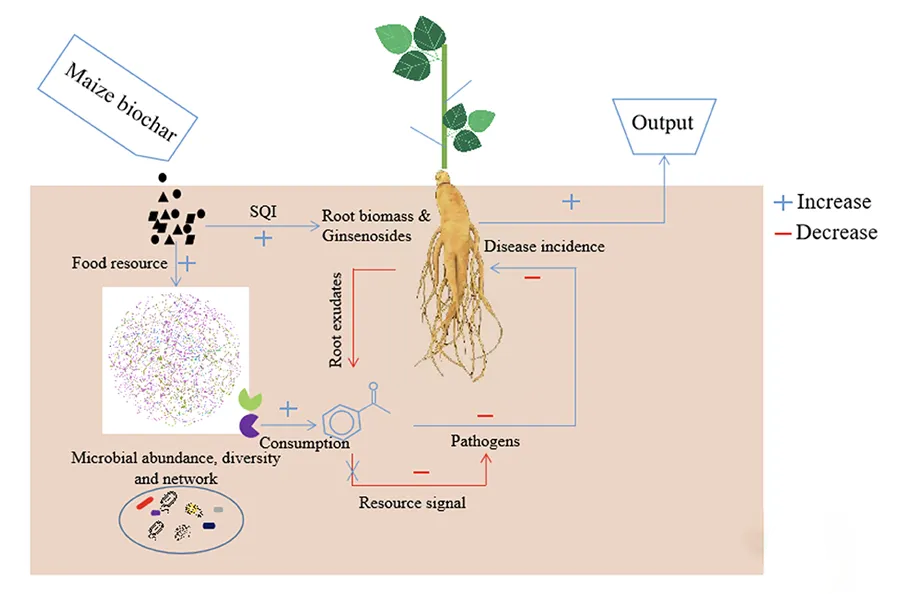
Transition in Rhizosphere Ecology with Biochar Application
Key ecological effects include:
- Adsorption of toxic root exudates
- Enrichment of beneficial microorganisms
- Improved regulation of soil moisture and nutrient availability
- Enhanced microbial enzyme activity and functional diversity
Experimental Case Study
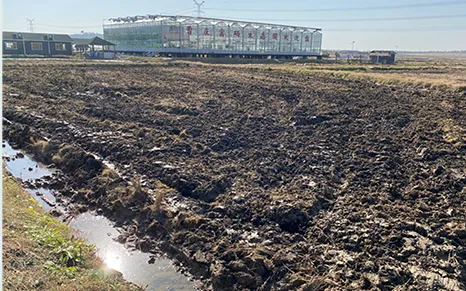
Biochar based net zero carbon rice agriculture under test
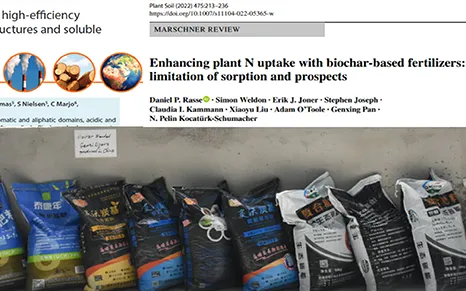
Biochar-based fertilizers will be increasingly applied in food production
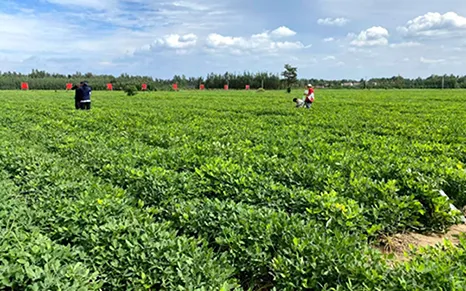
Drought tolerance of oil peanut with biochar in a Primisol
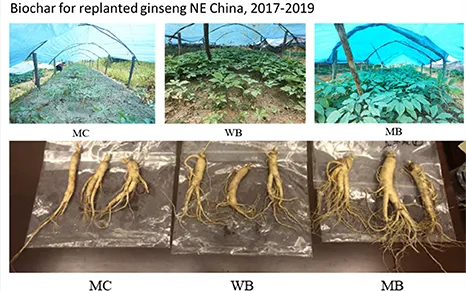
DOM and small size bio-molecules matters

Biochar Technology Agricultural Applications

Contact US
Product Information
Quantity
Unit
Piece
Support order samples, customization, wholesale direct, and complete payment. If the product you look for does not have corresponding customized content, pls fill out the form below to contact us, and we will reply ASAP.